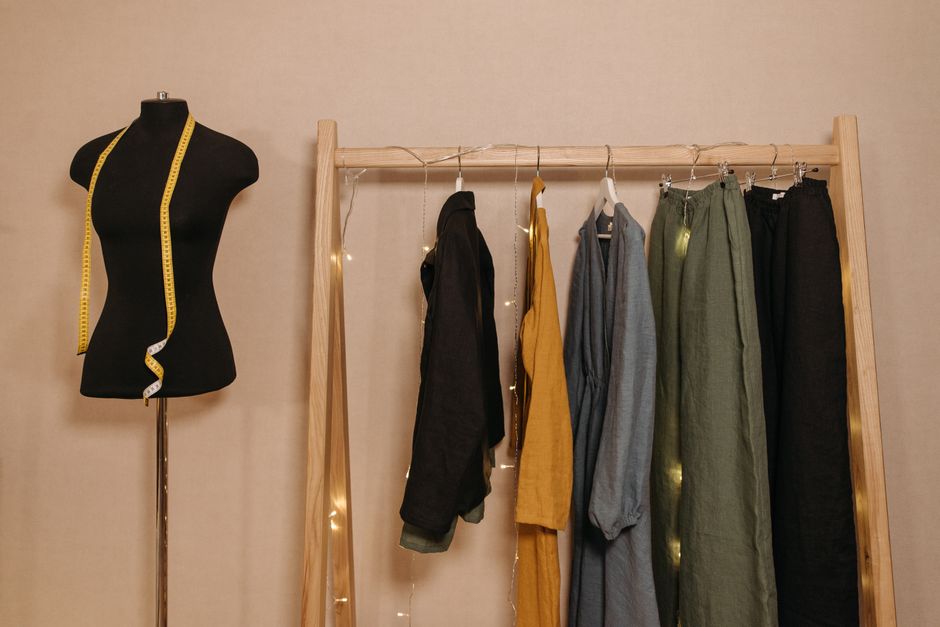
Whether you are dealing with a cramped bedroom closet or a sprawling walk-in, the way you organise your wardrobe has a direct impact on how you start every single day. This article walks through six practical frameworks and product categories that can transform even the most chaotic clothing storage into a calm, functional system.
Why Wardrobe Organisation Systems Make a Real Difference
A well-structured wardrobe is not just about aesthetics. It is about time, mental clarity and the longevity of your clothing. Research into daily decision fatigue consistently shows that reducing small morning choices (like hunting for a matching pair of socks) frees up cognitive energy for more important tasks throughout the day.
The concept of a dedicated storage system for clothing and personal belongings has roots that stretch back centuries. Interestingly, the word "wardrobe" itself has a long administrative history, and the Wardrobe (government) was once a department of the medieval English royal household responsible for managing valuable goods and records. Today the term has shifted entirely into the domestic sphere, but the underlying idea remains the same: a defined place for important things keeps life running smoothly.
From a practical standpoint, a good wardrobe organisation system delivers benefits that compound over time:
- Faster morning routines: When every item has a dedicated spot, you spend less time searching and more time doing.
- Better garment care: Proper hanging, folding and storage reduces creasing, stretching and premature wear.
- Smarter purchasing decisions: Seeing your full wardrobe clearly helps you avoid buying duplicates or items that do not fit your existing wardrobe.
- Reduced stress: A tidy, logical space genuinely lowers background anxiety, especially during busy weeks.
Whether you are a minimalist working with a capsule wardrobe or someone managing a large seasonal clothing rotation, a thoughtful system scales to your needs. The sections ahead cover exactly how to build one that works for your space and lifestyle.
Types of Wardrobe Organisation Systems to Consider
Before investing time or money into reorganising your wardrobe, it helps to understand the main system types available. Each approach suits different spaces, budgets and clothing collections, so choosing the right one from the start saves a lot of frustration later.
- Freestanding modular units: These are standalone shelving or drawer systems that sit inside your existing wardrobe space. They require no installation and can be reconfigured as your needs change, making them a practical starting point for renters or anyone who moves frequently.
- Built-in fitted wardrobes: Custom or semi-custom fitted systems make full use of available wall space, including awkward corners and low ceiling areas. They tend to look cleaner and add perceived value to a home, though the upfront cost is higher.
- Open wardrobe systems: Also called capsule or exposed wardrobes, these use wall-mounted rails, shelves and hooks without cabinet doors. They work well in bedrooms with good natural light and encourage you to keep only what you regularly wear.
- Drawer and box dividers: These are lower-cost additions that work inside existing furniture. Drawer inserts, stackable boxes and fabric organisers help sort smaller items like socks, underwear, accessories and folded knitwear.
- Vertical storage solutions: Hanging shoe organisers, tiered hangers and over-the-door racks make use of vertical space that most people leave completely empty. These are particularly useful in compact wardrobes or studio apartments.
Most well-organised wardrobes actually combine several of these system types rather than relying on just one. For example, a fitted unit might handle hanging clothes and folded items, while drawer dividers handle smaller accessories and an over-the-door rack takes care of shoes or bags. Thinking in layers, rather than looking for a single all-in-one fix, tends to produce the most practical and lasting results.
How to Assess Your Space Before Buying Any Wardrobe Organisation System
Before you spend a cent on baskets, dividers or modular shelving, you need an honest audit of the space you are working with. Buying first and measuring second is one of the most common (and costly) mistakes people make when setting up a wardrobe organisation system.
Start with these practical steps:
- Measure everything twice. Record the total width, height and depth of your wardrobe cavity, including any awkward corners, sloped ceilings or fixed shelves you cannot remove.
- Note what is already there. Identify which existing fixtures are worth keeping and which are wasting space. A single high hanging rail, for example, often leaves a large dead zone below it.
- Catalogue what you actually own. Count your hanging items, folded garments, shoes and accessories separately. This tells you how much of each storage type you genuinely need rather than guessing.
- Identify your pain points. Is the problem a lack of hanging space, no room for shoes, or simply poor visibility? Pinpointing the real issue stops you buying solutions to problems you do not have.
- Check the room conditions. Note the lighting, ventilation and whether any walls are external, since moisture and mould can affect material choices.
- Think about access patterns. Items you reach for daily should be at eye level and within arm's reach. Seasonal or rarely used pieces can go higher or lower.
Once you have this information written down, you are in a much stronger position to compare products, request quotes or plan a DIY layout. A precise audit also reveals whether your wardrobe simply needs a reorganise rather than new purchases at all, which can save you significant time and money before you even set foot in a store.
Step-by-Step Guide to Setting Up Your Wardrobe Organisation System
Building a wardrobe organisation system from scratch can feel overwhelming, but breaking the process into clear stages makes it genuinely manageable. Follow these steps to go from cluttered chaos to a system that actually holds up over time.
- Empty everything out first. Pull every item out of your wardrobe before you do anything else. This gives you a true picture of what you own and lets you clean the space properly before putting anything back.
- Sort into categories. Group clothing by type: tops, bottoms, outerwear, shoes, accessories. Within each category, separate items you wear regularly from those you have not touched in the past six months.
- Declutter ruthlessly. For each item, ask whether it fits, whether you enjoy wearing it, and whether it serves a current need. Donate, sell, or recycle anything that does not pass that test. This step alone can cut the volume you need to organise by a third.
- Map your space. Measure your hanging rail, shelf depths, and drawer dimensions. Note which zones get the most natural light and which are harder to reach, then plan high-frequency items for the easiest access points.
- Choose your storage tools. Decide on dividers, shelf risers, hanging organisers, or drawer inserts based on your measurements and budget. Uniform storage boxes make a visible difference to how tidy a wardrobe looks and feels.
- Return items with intention. Put things back by category and frequency of use. Keep everyday items at eye level and seasonal or occasion wear higher up or towards the back.
- Label and document. A quick label on a shelf or drawer box removes the daily guesswork. If you manage content or reference guides as part of your workflow, the same logic applies. Clear writing and publishing habits mirror good organisation habits in every field.
Revisit the system every three to four months. Like any structured framework, a wardrobe organisation system needs occasional maintenance to stay functional. If you want practical frameworks for other areas of your life or work, browse the full article library for straightforward guides across a wide range of topics.
Clever Accessories That Maximise Every Centimetre
Once your core wardrobe structure is in place, the right accessories can transform wasted space into genuinely useful storage. Small additions often deliver the biggest returns, especially in wardrobes where every centimetre counts.
- Over-the-door organisers: The back of a wardrobe door is prime real estate that most people ignore. Pocket organisers, hook rails and slim shoe holders attach easily and keep frequently used items within arm's reach without consuming any shelf or floor space.
- Slim velvet hangers: Switching from bulky plastic hangers to slim velvet ones can reclaim up to 30 percent more hanging space instantly. Clothes stay put, stop sliding and sit neatly at a uniform height.
- Shelf dividers: These simple clip-on accessories stop folded stacks from toppling sideways, meaning you can pile items higher with confidence. They work particularly well for jeans, jumpers and clutch bags.
- Stackable drawer inserts: Placing small trays or modular inserts inside existing drawers creates dedicated zones for jewellery, watches, belts and ties. Nothing gets tangled or buried beneath other items.
- Hanging shelf organisers: These fabric cubes drop directly from an existing rod and convert one hanging zone into multiple stacked shelves. They are ideal for handbags, folded tops or accessories that do not need to hang.
- Corner turntables: A small rotating tray placed on a shelf makes deep or awkward corners accessible without moving everything in front of it.
The key principle when choosing accessories is to address your specific pain points rather than buying products that look appealing in isolation. Measure your space carefully before purchasing, and prioritise items that solve a genuine daily frustration. Layering several inexpensive accessories thoughtfully nearly always outperforms one large storage unit added without a clear plan.
Keeping Your Wardrobe Organised Long Term
Getting your wardrobe organised is satisfying, but maintaining that order over months and years is where most people struggle. The good news is that long-term success comes down to a few simple habits rather than any dramatic overhaul.
- Do a seasonal audit: Every three to four months, review what you actually wore. Pieces that stayed untouched are strong candidates for donation or resale.
- Follow the one-in, one-out rule: Each time you bring a new item into your wardrobe, commit to removing one. This keeps volume in check without requiring a full declutter session.
- Return items to their designated spot: This sounds obvious, but consistently putting things back where they belong is the single most effective maintenance habit you can build.
- Do a five-minute reset weekly: A quick tidy at the end of each week prevents small messes from compounding into a chaotic wardrobe by month's end.
- Reassess your system as your life changes: A system built around office wear may not suit remote work, and a layout designed for one person may not work after a move or lifestyle shift. Flexibility keeps your setup relevant.
Labelling shelves and storage bins also helps, especially in shared wardrobes, because it removes any ambiguity about where things live. Consistent hangers, uniform storage boxes and a clear colour or category order all reduce the mental effort needed to stay tidy.
The goal is not a perfect wardrobe every single day. The goal is a system that is easy enough to maintain that tidying up takes minutes, not hours.
A well-organised wardrobe is ultimately the result of small, consistent choices rather than one big effort. By applying the right storage systems, decluttering regularly and building a few simple daily habits, you can create a wardrobe that genuinely supports your routine and stays manageable for the long haul.