Whether you've just driven your Nissan Leaf off the lot or you're still weighing up the purchase, getting your home charging setup right from day one will save you time, money, and frustration. This guide walks through everything Australian Leaf owners need to know — from charger types to installation costs and smart charging habits.
Understanding Nissan Leaf Charging Options Available in Australia
Before investing in any home charging equipment, it pays to understand the full landscape of what's available to Nissan Leaf drivers in Australia. The Leaf supports three distinct charging levels, each suited to different situations and budgets.
- Level 1 – Standard 10A household outlet (Mode 2): Every Nissan Leaf ships with a granny cable that plugs directly into a standard Australian 240V power point. It's the slowest option, typically delivering around 10–15 km of range per hour of charging — workable overnight for light daily driving, but limiting if you're covering serious distances.
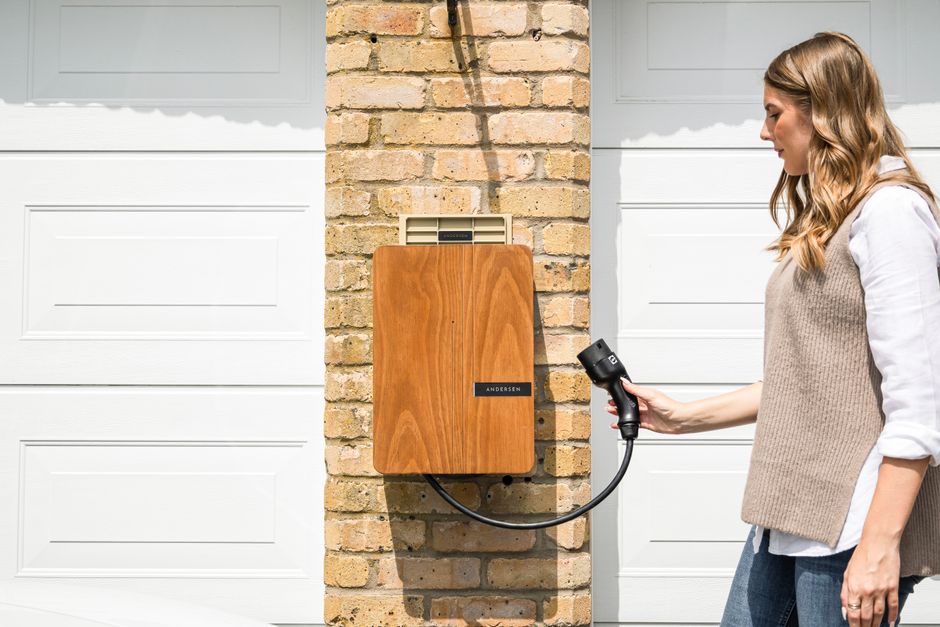
- Level 2 – Dedicated home wall charger (Mode 3, AC): This is the sweet spot for most Australian households. A 7.2 kW AC wall box can add roughly 40–50 km of range per hour, meaning a full charge overnight is comfortably achievable. Nissan's newer 62 kWh Leaf models benefit most from this upgrade.
- Level 3 – DC fast charging (CHAdeMO): The Leaf uses the CHAdeMO DC fast-charging standard — less common in Australia than CCS — but still available at select public stations. This isn't a home charging option, but it's worth knowing for longer trips.
It's also worth noting that Nissan has long built a reputation around practical, efficient vehicles — from the iconic Nissan 370Z to its trailblazing EV lineup — and the Leaf's charging architecture reflects that same engineering pragmatism.
For most Australian homes, investing in a dedicated Level 2 wall charger is the practical foundation this guide will focus on throughout the sections ahead.
What You Need Before Installing a Home Charging Setup
Before you call an electrician or order any equipment, it pays to understand exactly what a home charging setup for a Nissan Leaf involves. Getting the groundwork right saves you time, money, and frustration down the track. Here is a clear checklist of what you need to have in place first.
- A suitable parking location: Your Leaf needs to be parked close enough to an indoor or outdoor charging point. A garage, carport, or dedicated driveway spot all work, provided the cabling run is practical and safe.
- An assessment of your switchboard: Older Australian homes may have switchboards that cannot safely support a dedicated charging circuit. A licensed electrician will inspect yours and advise whether an upgrade is required before installation can proceed.
- A dedicated circuit: Home EV charging should always run on its own circuit, separate from your general household power. This reduces the risk of tripping breakers and ensures consistent, safe charging speeds.
- Knowledge of your Nissan Leaf's onboard charger capacity: The standard Leaf accepts up to 7.4 kW AC charging, while some models support 6.6 kW. Knowing your variant helps you choose the right charger unit and avoid paying for more capacity than your car can actually use.
- A licensed electrician: In Australia, EV charger installation is classified as electrical work and must be completed by a licensed professional. DIY installation is illegal and will void your home insurance.
- Landlord or body corporate approval: If you rent or live in a strata property, written permission is typically required before any fixed electrical work can begin.
Taking stock of these factors before you start means the installation process runs smoothly and the final setup meets Australian Standards, keeping both your home and your warranty protected.
Choosing the Right Home EV Charger for Your Nissan Leaf
Not all home EV chargers are created equal, and selecting the right one for your Nissan Leaf can make a significant difference to your daily charging experience. In Australia, you have two primary options to consider:
- Level 1 charging (standard 10A power point): This is the slowest option, using your existing household outlet. A standard 10A socket delivers roughly 2.4kW, which typically adds around 15–20 km of range per hour. It requires no installation beyond what you already have, making it a cost-free starting point — but it is rarely sufficient as your sole charging method.
- Level 2 charging (dedicated wall charger / EVSE): This is the recommended solution for most Leaf owners. A dedicated home charging unit, typically rated between 7kW and 22kW, can fully charge a Nissan Leaf 40kWh battery in approximately 8 hours, and the larger 62kWh variant in around 11–12 hours overnight.
It is worth noting that the Nissan Leaf uses a Type 1 (SAE J1772) AC inlet, so any wall charger or cable you purchase must be compatible with this connector. Many popular Australian EVSE brands offer Type 1 compatibility, but always confirm before purchasing.
When comparing charger models, pay attention to these key specifications:
| Feature | What to Look For |
|---|---|
| Power output | 7kW is ideal for most Leaf models |
| Connector type | Type 1 (SAE J1772) |
| Safety certifications | RCM mark (formerly C-Tick/A-Tick) for Australian compliance |
| Smart features | Scheduling, Wi-Fi monitoring, energy usage tracking |
Investing in a quality, certified wall charger not only protects your vehicle's battery but also ensures your home electrical system remains safe and compliant with Australian standards.
Finding a Certified Electrician and Navigating Australian Regulations
Installing a home charging setup for your Nissan Leaf isn't a DIY job — Australian law requires all electrical work to be carried out by a licensed electrician. Getting this step right protects your home, your warranty, and your safety, so it pays to understand exactly what the compliance landscape looks like before you pick up the phone.
What to look for in a qualified installer:
- A current electrical contractor's licence issued by your state or territory authority (e.g., Energy Safe Victoria, NSW Fair Trading, or the Electrical Safety Office in Queensland)
- Experience with EV charging installations — ask specifically whether they have worked with Level 2 AC chargers and dedicated circuits
- Familiarity with AS/NZS 3000, the Wiring Rules that govern all fixed electrical installations in Australia
- Ability to issue a Certificate of Compliance for Electrical Work (CCEW), which your energy retailer and insurer may require
Beyond the electrician's credentials, you may also need council approval or a building permit depending on your state and the scope of the installation. In most cases a standard wall-mounted EVSE unit falls under routine electrical work, but it is always worth confirming with your local council before work begins.
Network tariffs are another regulatory consideration. Some Australian distributors require notification when a new charging load above a certain threshold is added to a residential connection — your electrician should handle this as part of the job.
Finding reliable, well-researched tradespeople takes the same careful approach as sourcing good written content. Just as writers and marketers turn to practical articles to make informed decisions, EV owners benefit enormously from doing their homework before committing to an installer. When comparing quotes, ask each electrician to provide a written scope of works so you can evaluate them side by side with confidence.
Step-by-Step Overview of the Home Charger Installation Process
Understanding what the installation process actually involves helps you prepare properly and avoid unexpected surprises. While a licensed electrician handles the technical work, knowing each stage keeps you informed and in control.
- Step 1 – Site assessment: Your installer visits the property to inspect your existing switchboard, meter box, garage layout, and available cable routes. They identify whether your current electrical infrastructure can support a dedicated charging circuit.
- Step 2 – Switchboard upgrade (if required): Older Australian homes often have switchboards that cannot safely accommodate an additional high-draw circuit. If yours needs upgrading to a modern consumer mains unit with RCD protection, this happens before any charger work begins.
- Step 3 – Circuit installation: The electrician runs a dedicated circuit — typically 32A for a 7.2 kW AC charger — from your switchboard to the charging location. Proper cable sizing and conduit protection are essential under Australian wiring rules (AS/NZS 3000).
- Step 4 – Charger unit mounting: The EVSE unit is mounted securely to a wall in your garage or carport at an accessible height, positioned to allow comfortable cable reach to your Nissan Leaf's charge port.
- Step 5 – Connection and testing: The installer connects all wiring, applies appropriate weatherproofing if the unit is in a semi-exposed area, then tests the full circuit under load to confirm safe, correct operation.
- Step 6 – Compliance certificate issued: Your electrician provides a Certificate of Compliance for Electrical Work (CCEW), which is a legal requirement across Australian states and essential for home insurance validity.
The entire process typically takes between two and five hours for a straightforward installation. More complex jobs involving switchboard upgrades or long cable runs may extend across two visits. Always confirm the full scope with your installer before work begins.
Costs, Rebates, and Saving Money on Home Charging in Australia
Setting up home charging for your Nissan Leaf involves upfront costs, but smart planning and available incentives can significantly reduce what you pay over time. Here is a practical breakdown to help you budget with confidence.
- EVSE unit cost: A quality Level 2 home charger typically costs between $600 and $1,500 depending on the brand, power output, and features such as Wi-Fi connectivity or scheduled charging.
- Installation cost: Licensed electrician installation generally adds $300 to $800, varying by your switchboard condition, cable run length, and local labour rates.
- Total installed cost: Most Australian Leaf owners budget $900 to $2,300 all up for a properly installed home charging solution.
State and territory rebates can meaningfully offset these costs. Several Australian states have introduced EV incentives, including reduced stamp duty, registration discounts, and in some cases direct rebates or interest-free loans for home charging equipment. Victoria, Queensland, and the ACT have each offered schemes at various points, so checking your state government's current energy or transport website before purchasing is strongly recommended, as programs change regularly.
Time-of-use electricity tariffs are one of the most effective long-term savings tools. By scheduling your Leaf to charge during off-peak hours — typically late at night — you can pay as little as 10 to 18 cents per kilowatt-hour in some Australian markets, compared to peak rates above 40 cents. Over a year, this difference adds up substantially.
If you have rooftop solar, charging your Leaf during daylight hours using surplus generation can reduce your effective charging cost close to zero. Pairing solar with a home battery extends this benefit into the evening.
Setting up home charging for your Nissan Leaf in Australia is a straightforward process when you approach it step by step — from choosing the right charger and finding a licensed electrician, through to taking advantage of tariffs and rebates. With the right setup, you will enjoy convenient, cost-effective charging every single day.