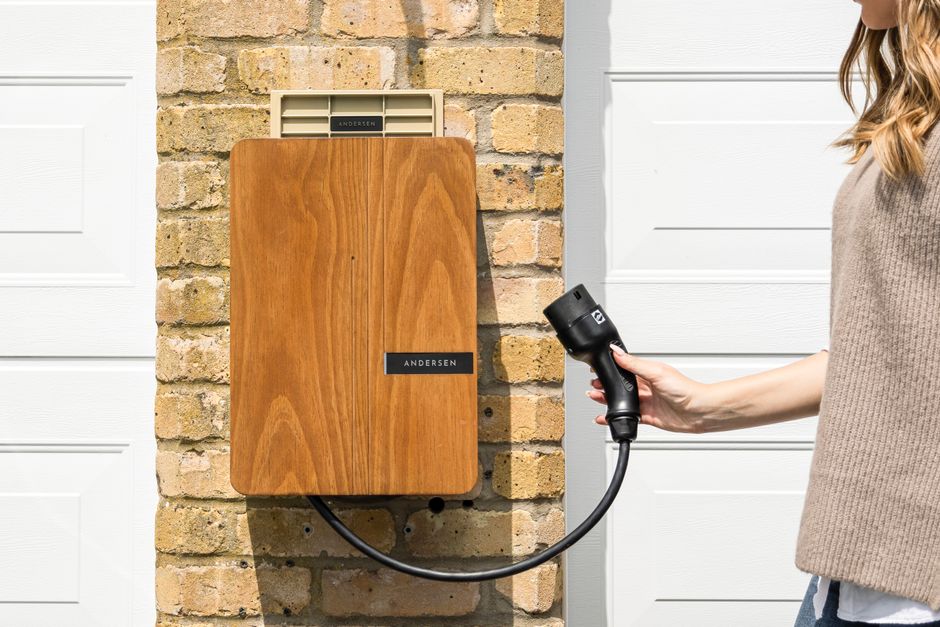
Shopping for a home EV charger in Australia involves more than picking a brand you've seen advertised — compatibility, certification, and installation rules all vary significantly from what buyers in the US or Europe encounter. This roundup covers the most popular home charging brands available to Australian consumers, including Clipper Creek charger reviews, so you can make a genuinely informed decision.
What Australian Home EV Charger Buyers Should Know Before Reading Clipper Creek Charger Reviews
Before diving into individual brand comparisons, there are a few foundational points every Australian buyer needs to understand. Getting these wrong can mean an expensive charger that simply cannot be legally installed — or one that underperforms with your specific vehicle.
- Australian electrical standards apply: All home EV chargers must comply with AS/NZS 3000 wiring rules and, where applicable, AS/NZS 3112 plug and socket standards. A unit certified for North American or European markets may not meet these requirements out of the box.
- Your vehicle's onboard charger matters: A Level 2 wall unit can only charge as fast as your car's onboard charger allows. Whether you drive a Nissan Pathfinder PHEV or a full-battery EV, always cross-check the vehicle's maximum AC charge rate before specifying a charger's output.
- Licensed electrician installation is mandatory: In every Australian state and territory, home EV charger installation must be carried out by a licensed electrician. Some brands also require the installer to hold additional certification.
- Warranty and local support count: A brand without Australian distribution can leave you without warranty support or replacement parts. Always confirm where after-sales service is handled before purchasing.
With these baseline considerations in mind, the brand-by-brand reviews below will be far more useful — giving you a practical lens through which to weigh features, pricing, and real-world Australian user feedback.
Clipper Creek Charger Reviews: What Australian Buyers Are Saying
When browsing Clipper Creek charger reviews from Australian consumers, a few consistent themes emerge — and they paint a nuanced picture for anyone considering this American-born brand Down Under. Clipper Creek has built a strong reputation in North America for durability and straightforward engineering, but Australians face some unique considerations before committing to a purchase.
Build Quality and Performance
On the positive side, owners consistently praise the robust physical construction. Clipper Creek units are frequently described as "tank-like," with weatherproof enclosures that hold up well in Australia's harsh outdoor conditions — from coastal humidity in Queensland to scorching heat in Western Australia. Charging speeds are generally rated as reliable and consistent, with little reported variance over time.
Australian Compatibility: The Key Sticking Points
This is where Clipper Creek charger reviews from Australian buyers get more complicated. Several important compatibility factors deserve attention:
- Voltage differences: Clipper Creek products are primarily engineered for the North American 120V/240V split-phase system, whereas Australian homes run on a single-phase 230V supply — a distinction that can affect performance and safety if not properly assessed.
- Plug and socket standards: Australia uses AS/NZS 3112 plugs domestically, and most EV charging uses the Type 2 (IEC 62196) connector standard. Clipper Creek units typically ship with J1772 connectors, requiring an adapter or rewiring.
- Electrician costs: Multiple Australian reviewers note that installation required a licensed electrician familiar with imported hardware, adding cost and complexity to the setup process.
- Warranty support: Some consumers report difficulty accessing after-sales support given the brand's limited local presence.
The overall takeaway from Australian reviewers is that Clipper Creek hardware is genuinely well-made, but the compatibility and support hurdles mean it demands careful research before purchase.
How Other Popular Home EV Charger Brands Compare in Australia (and Where Clipper Creek Charger Reviews Fit In)
When Australian EV owners research their options, Clipper Creek charger reviews often come up alongside a handful of other brands that dominate the local market. Understanding how these brands stack up helps buyers make a genuinely informed decision rather than defaulting to whichever name appears first in a search result.
- Wallbox: A Spanish brand with strong Australian distribution, Wallbox chargers are praised for their smart-home integration and compact design. The Pulsar Plus is a favourite among apartment dwellers. However, some users report that the companion app can be unreliable during firmware updates.
- Charge Amps: A Scandinavian option gaining traction in Australia, known for a sleek aesthetic and solid build quality. Premium pricing puts it out of reach for budget-conscious buyers.
- Tesla Wall Connector: Excellent performance for Tesla owners, but compatibility with non-Tesla vehicles — while technically possible — can require additional hardware and isn't always seamless.
- Ocular (local Australian brand): A domestic option that appeals to buyers prioritising local warranty support and easier compliance with Australian Standards AS/NZS 3000 wiring rules.
- JET Charge / Schneider EVlink: Popular with installers and electricians across Australia, these units score well for reliability and straightforward installation.
What sets this comparison apart from a simple spec sheet is the real-world context. Australian buyers face specific considerations — single-phase versus three-phase power availability, state-based rebate eligibility, and the need for a licensed electrician under local regulations. Not every brand sold internationally accounts for these nuances.
If you're the kind of reader who prefers doing thorough research before committing — much like someone hunting through well-organised articles before making a content purchase — the same diligence applies here. The next sections break down installation costs and compatibility factors that matter most in an Australian context.
Installation Requirements, Electrician Costs, and Warranty Considerations for Clipper Creek Charger Reviews
One aspect that consistently surfaces in clipper creek charger reviews from Australian buyers is the importance of understanding local installation requirements before purchasing. Unlike plug-and-play USB devices, a home EV charger typically requires a licensed electrician to handle the hardwired connection, dedicated circuit, and any necessary switchboard upgrades — costs that can vary significantly depending on your state and existing electrical setup.
Here is a general breakdown of what Australian homeowners can expect:
- Basic installation (single-phase, no switchboard work): Approximately $300–$600
- Switchboard upgrade required: Add $500–$1,500 depending on the scope
- Three-phase installation: Often $800–$2,000 or more, particularly in older homes
- Rural or complex cable runs: Quotes can climb well beyond $2,500
Clipper Creek units sold or adapted for the Australian market are generally compatible with AS/NZS 3000 wiring standards, but you should always confirm this with your installer before committing. For a broader comparison of brands certified for local use, the team at EV Install's brand guide covering home charger options is a practical starting point that goes well beyond typical clipper creek model comparisons.
On the warranty side, Clipper Creek has historically offered a three-year limited warranty on its hardware — considered solid within the industry. However, Australian consumers should be aware that warranty claims may need to be processed through the local distributor rather than directly with the US-based manufacturer, which can occasionally extend resolution times.
Key warranty questions to ask before buying:
- Is the warranty honoured locally or must it go offshore?
- Does the warranty cover installer-caused faults?
- Are firmware or software defects included?
Clipper Creek Charger Reviews and the Full Brand Comparison: Pros and Cons for Australian Buyers
After working through the most popular home EV charger brands available in Australia, clipper creek charger reviews consistently highlight reliability and build quality — but the picture becomes more nuanced when you weigh that against local compatibility, support, and value. Here is a straightforward summary to help you decide.
| Brand | Pros | Cons for Australians |
|---|---|---|
| Clipper Creek | Exceptional durability, simple design, strong safety record | US-market focus, limited local warranty support, compatibility checks required |
| Wallbox | Smart features, app control, sleek design | Higher price point, occasional software complaints |
| Evnex | Built for Australia, local support, energy management tools | Fewer hardware options compared to global brands |
| JET Charge | Local installation network, strong after-sales service | Premium pricing for end-to-end service |
- Best for reliability-first buyers: Clipper Creek, provided you confirm AS/NZS compliance with your installer.
- Best for smart home integration: Wallbox or Evnex.
- Best for hassle-free local support: Evnex or JET Charge.
Clipper Creek Charger Reviews: The Australian Verdict
If local warranty support and plug-and-play simplicity matter most to you, a locally certified brand like Evnex is the safer starting point. However, if you have done your homework on compliance and have a knowledgeable electrician, Clipper Creek remains a genuinely compelling option.
Choosing the right home EV charger in Australia comes down to balancing reliability, smart features, local support, and regulatory compliance. Whether you lean towards a globally trusted name or a homegrown brand, the most important step is always consulting a certified electrician before purchasing — ensuring your charger, your vehicle, and your home wiring work together safely and legally from day one.
Related reading: Leading Electric Car Charger Manufacturers in Australia: Brands, Products, and How to Choose
Related reading: A Beginner's Guide to Acquiring a Disability Support Business: Navigating the NDIS Business for Sale Landscape in 2024
Related reading: JuiceBox vs JuiceBox Pro: Full Specs, App Features, and Which Home EV Charger Is Right for You